

The Best Places to Buy a Designer Engagement Ring
February 19, 2026Best Places to Buy VVS Diamonds Online (2026 Guide)
March 23, 2026Choosing the Right Place to Buy a Diamond Pendant
A diamond pendant is one of the most enduring and versatile pieces of fine jewelry. Whether worn daily or reserved for special occasions, it offers understated elegance, effortless layering potential, and lasting sentimental value. Because of its simplicity, however, the quality of both the diamond and the craftsmanship becomes especially important—there is very little to hide behind.
Choosing the right place to buy a diamond pendant is just as critical as selecting the pendant itself. Retailers vary widely in their standards for diamond quality, transparency, pricing, and long-term customer support. Some focus on scale and variety, while others emphasize precision cutting, expert curation, or luxury branding. Understanding these differences allows buyers to make a confident and informed decision.
In this guide, we will examine what truly matters when purchasing a diamond pendant and highlight some of the best places to buy based on quality, value, and reputation. Before comparing individual vendors, it is essential to understand the key factors that define a well-made diamond pendant.
What to Look for When Buying a Diamond Pendant
A diamond pendant may appear simple, but several important considerations determine its beauty, durability, and overall value. Evaluating these factors will help ensure that your purchase meets both aesthetic and practical expectations.
Diamond Quality
Because a pendant typically features a single diamond, its quality is immediately noticeable. The traditional 4Cs—cut, color, clarity, and carat weight—remain the foundation of diamond evaluation.
- Cut: The most critical factor for a pendant diamond. A well-cut diamond maximizes light return, giving the pendant brilliance and life even at smaller carat sizes.
- Color: Near-colorless diamonds (generally in the G–I range) often provide an excellent balance of appearance and value, especially when set in white metal.
- Clarity: Pendants do not require extremely high clarity grades to appear clean to the eye. Eye-clean diamonds offer strong value without visible imperfections.
- Carat Weight: Carat size should be chosen in proportion to the wearer’s style and how the pendant will be worn—daily, layered, or as a statement piece.
Natural vs. Lab-Grown Diamonds
Many jewelers offer both natural and lab-grown diamonds in pendant designs.
- Natural diamonds are formed over billions of years and are valued for their rarity and long-established market presence.
- Lab-grown diamonds have the same physical and optical properties as natural diamonds and are typically more affordable at comparable sizes and grades.
Understanding the differences allows buyers to choose based on budget, personal preference, and long-term value considerations.
Pendant Setting and Craftsmanship
The setting plays a vital role in both the appearance and security of a diamond pendant.
- Prong settings maximize light exposure and brilliance.
- Bezel settings offer a sleek, modern look with added protection.
- Halo or accented designs add visual presence while allowing for a smaller center diamond.
Equally important is the quality of the metalwork. Precision craftsmanship ensures durability, proper stone security, and a refined finish that will stand up to everyday wear.
Certification and Transparency
Reputable jewelers provide independent grading reports—most commonly from recognized laboratories—detailing the diamond’s specifications. Clear documentation and detailed diamond information give buyers confidence in what they are purchasing and allow for meaningful comparisons across retailers.
Customization Options
Customization can range from selecting a specific diamond and chain length to designing a pendant from scratch. Buyers who value personalization should consider how flexible a retailer is in accommodating custom requests and whether expert guidance is available throughout the process.
Pricing and Overall Value
Price alone does not define value. Factors such as diamond cut quality, craftsmanship, brand markup, and long-term services all influence what a buyer ultimately receives for their investment. Comparing like-for-like quality is essential when evaluating cost differences between retailers.
Warranties, Returns, and Long-Term Support
Finally, buyers should review a retailer’s policies regarding returns, warranties, maintenance, and upgrade opportunities. Strong after-purchase support can significantly enhance long-term satisfaction, especially for fine jewelry intended to last a lifetime.
Best Places to Buy a Diamond Pendant
The following retailers were selected based on diamond quality standards, transparency, craftsmanship, reputation, and overall value. Each offers a distinct approach to diamond pendants, making them well-suited to different types of buyers and priorities.
1. Whiteflash
Positioning: Exceptional diamond cut quality and expert craftsmanship
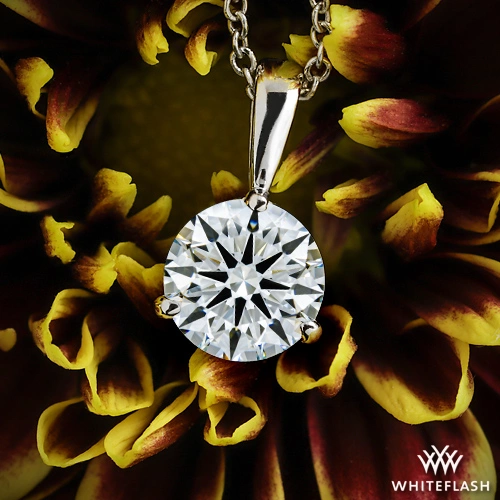
14k White Gold Three-Prong Timeless Diamond Pendant from Whiteflash
Whiteflash is widely recognized for its uncompromising standards in diamond selection, particularly in cut quality and light performance. Rather than focusing on sheer inventory volume, the company emphasizes expert curation and precision, making it a standout choice for buyers who prioritize brilliance and long-term value.
Whiteflash’s diamond pendants are crafted to highlight the performance of the center stone, with settings designed to maximize light return while maintaining refined proportions. Their in-house expertise allows for careful pairing of diamonds and mountings, ensuring consistency in quality and finish.
Key strengths include:
- Strict diamond selection criteria with a strong emphasis on cut precision
- Detailed diamond information and independent grading documentation
- High-quality craftsmanship suitable for everyday wear
- Customization options for both diamond and setting
- A well-established upgrade program that supports future flexibility
Best for: Buyers who place top priority on diamond performance, craftsmanship, and long-term value rather than mass-market variety.
2. Brilliant Earth
Positioning: Design-forward jewelry with broad selection
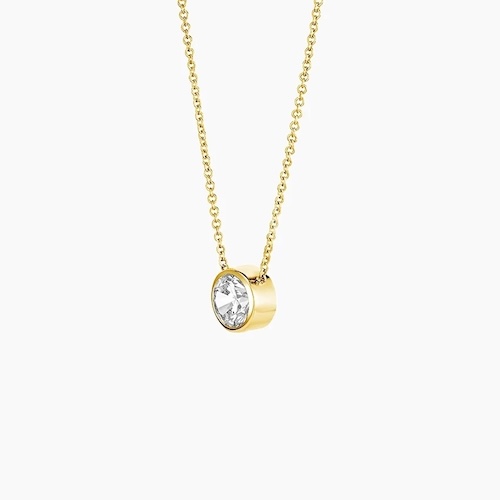
Bezel Pendant in 18K Yellow Gold from Brilliant Earth
Brilliant Earth offers a wide range of diamond pendant styles, from classic solitaires to contemporary and fashion-oriented designs. The brand is particularly appealing to buyers who value aesthetic variety and modern presentation alongside accessible online shopping tools.
The company provides both natural and lab-grown diamond options, allowing customers to tailor their purchase to budget and size preferences. Pendant designs tend to emphasize style and versatility, with numerous metal choices and setting variations.
Key strengths include:
- Extensive catalog of pendant styles
- Natural and lab-grown diamond availability
- User-friendly online shopping experience
- Strong emphasis on design and visual appeal
Best for: Style-conscious buyers seeking variety and contemporary design options in one place.
3. Blue Nile
Positioning: Large-scale online retailer with competitive pricing
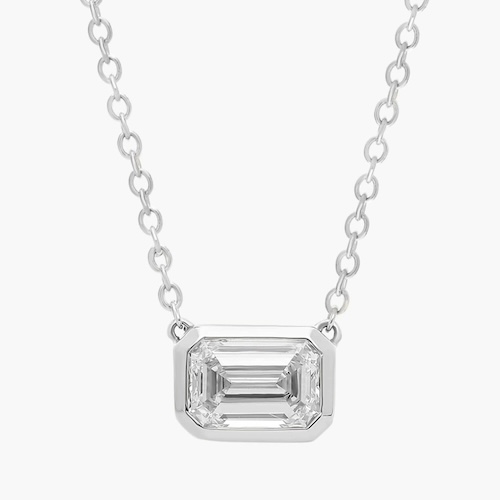
East West Emerald Cut Bezel Diamond Pendant In 14K White Gold from Blue Nile
Blue Nile is one of the most established online diamond retailers, known for its broad inventory and straightforward pricing structure. Its pendant offerings focus primarily on classic designs, appealing to buyers who want simplicity and value without extensive customization.
Because of its scale, Blue Nile provides access to a large number of diamonds across many price points. While the approach is less curated than boutique jewelers, the platform offers helpful educational tools and filters that support first-time buyers.
Key strengths include:
- Large diamond inventory across multiple price ranges
- Competitive pricing driven by volume
- Clean, classic pendant designs
- Educational resources for new buyers
Best for: Budget-conscious shoppers looking for selection, convenience, and established online reliability.
4. James Allen
Positioning: Visual transparency and online customization
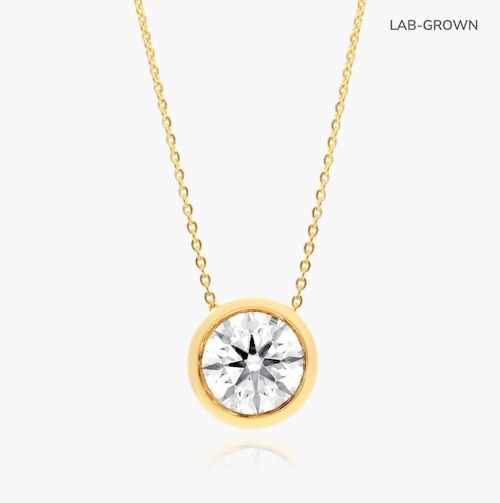
14K Yellow Gold Bezel Lab-Grown Diamond Pendant from James Allen
James Allen is known for its high-resolution diamond imagery, which allows buyers to closely examine diamonds before purchasing. This visual-first approach appeals to customers who want greater control and confidence when selecting a stone online.
The retailer offers a wide selection of pendant settings and diamonds, supporting a customizable buying experience. While much of the process is self-guided, the platform’s technology-driven presentation is a key differentiator.
Key strengths include:
- 360° HD diamond viewing technology
- Extensive diamond and setting selection
- Strong emphasis on customization
- Clear presentation of diamond details
Best for: Buyers who want to visually inspect and customize their diamond pendant online before committing.
5. Tiffany & Co.
Positioning: Iconic luxury and brand recognition
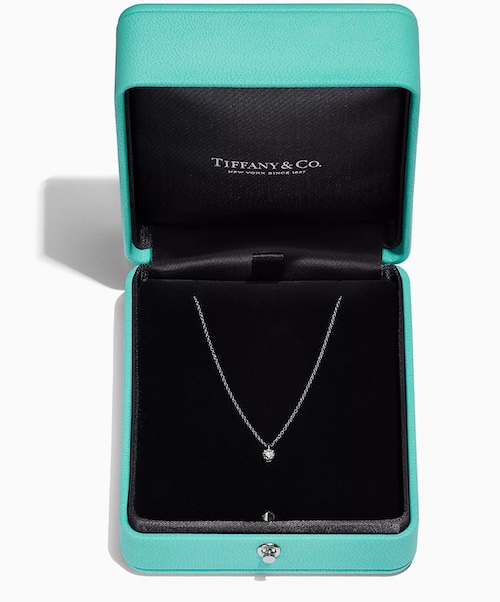
Tiffany Solitaire Diamond Pendant in Platinum from Tiffany & Co
Tiffany & Co. represents the traditional luxury end of the diamond pendant market. Its designs are instantly recognizable and rooted in brand heritage rather than technical customization or diamond-by-diamond selection.
While pricing reflects brand prestige, Tiffany pendants are valued for their classic styling, gifting appeal, and cultural recognition. Customization is limited compared to specialist diamond retailers, and purchasing decisions are often driven more by brand affinity than by detailed diamond specifications.
Key strengths include:
- Strong global brand recognition
- Timeless, signature pendant designs
- High perceived value for gifting and milestones
Best for: Buyers who prioritize brand prestige, heritage, and iconic design over customization and technical comparison.
Online Jewelers vs. Traditional Luxury Brands
When buying a diamond pendant, one of the most important decisions is whether to purchase from an online diamond specialist or a traditional luxury jewelry brand. While both options offer high-quality jewelry, they differ significantly in how value is delivered, how diamonds are selected, and what the buyer experience emphasizes.
Understanding these distinctions helps buyers align their purchase with what matters most—whether that is diamond performance, customization, pricing efficiency, or brand prestige.
Diamond Transparency and Selection
Online diamond retailers typically provide a high level of transparency. Buyers can review detailed diamond specifications, grading reports, and, in many cases, magnified imagery or videos of the exact stone being purchased. This allows for side-by-side comparison and a more analytical approach to diamond selection.
Traditional luxury brands, by contrast, curate their diamonds internally and rarely provide the same level of diamond-by-diamond data to consumers. The emphasis is placed on overall brand standards rather than individual stone evaluation. While quality is consistent, the process is less granular and offers fewer opportunities for comparison.
Key distinction: Online jewelers prioritize diamond-level transparency; luxury brands prioritize brand-level consistency.
Pricing Structure and Perceived Value
Online jewelers generally operate with lower overhead and higher inventory efficiency, which often results in more competitive pricing for comparable diamond quality. Buyers are typically paying for the diamond itself, the craftsmanship, and the service—rather than brand markup.
Luxury brands command premium pricing tied to heritage, marketing, retail presence, and global recognition. While this can enhance perceived value, particularly for gifting, it does not necessarily correlate to higher diamond specifications at the same price point.
Key distinction: Online retailers emphasize measurable value; luxury brands emphasize intangible brand value.
Customization and Design Flexibility
Customization is a major advantage of online diamond specialists. Buyers can often choose the exact diamond, setting style, metal type, and chain length, or work directly with experts to create a custom pendant tailored to personal preferences.
Traditional luxury brands typically offer limited customization, focusing instead on signature designs that reflect the brand’s established aesthetic. While these designs are timeless, they leave less room for personalization.
Key distinction: Online jewelers offer flexibility and personalization; luxury brands offer curated, fixed design collections.
Buying Experience and Customer Journey
The online buying experience is designed to be educational and self-guided, supported by tools, filters, and expert assistance when needed. This approach appeals to buyers who enjoy researching and understanding the technical aspects of diamonds.
Luxury brands emphasize an emotional, in-store experience. Flagship boutiques, iconic packaging, and personal sales consultations are integral to the purchase. The process is often less about specifications and more about the moment and the meaning behind the gift.
Key distinction: Online jewelers focus on informed decision-making; luxury brands focus on experiential purchasing.
Long-Term Ownership and Support
Many online diamond specialists offer strong long-term ownership benefits, including warranties, maintenance services, and structured upgrade program options that allow buyers to trade up their diamond in the future.
Luxury brands tend to focus on craftsmanship warranties and service within their brand ecosystem, but formal upgrade pathways are less common. The long-term value proposition is more closely tied to brand retention than diamond flexibility.
Key distinction: Online retailers often support diamond evolution over time; luxury brands support brand continuity.
Which Option Is Right for You?
There is no universally “better” choice—only a better fit for individual priorities. Buyers who value diamond performance, customization, and analytical transparency often gravitate toward online specialists. Those who prioritize heritage, recognition, and gifting impact may prefer traditional luxury brands.
Understanding these differences ensures that the final choice reflects not just budget, but personal values and long-term expectations for the diamond pendant itself.
