Where Is the Best Place to Buy Diamond Stud Earrings Online?
June 16, 2026
5 Best Places to Buy Three-Stone Engagement Rings
July 17, 2026What Questions Should You Ask a Jeweler Before Buying an Engagement Ring?
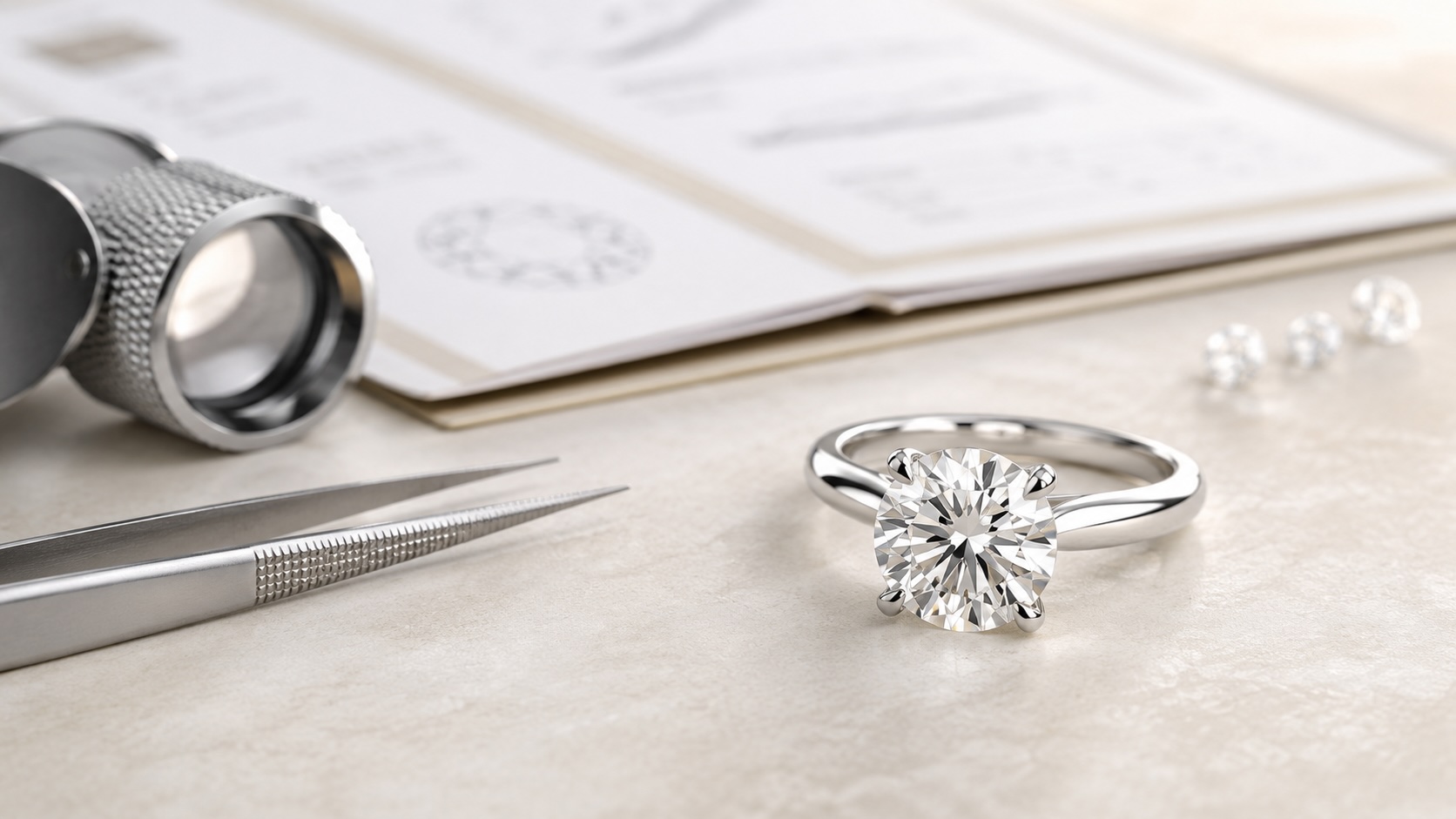
Before buying an engagement ring, ask the jeweler about diamond certification, cut quality, light performance, setting durability, return terms, warranties, resizing, aftercare, and upgrade options. The right questions help you understand both the beauty of the ring and the long-term value of your purchase.
Key Takeaways
- Ask whether the diamond is independently graded by a respected laboratory such as GIA, AGS, or IGI.
- Cut quality has the greatest impact on a diamond’s sparkle, so ask for more than just the basic 4Cs.
- Request images, videos, and diagnostic light performance information whenever available.
- Ask how the diamond was matched to the setting and whether the setting suits your lifestyle.
- Confirm the return period, warranty, resizing options, maintenance, and upgrade program before purchasing.
- A trustworthy jeweler should answer clearly, provide documentation, and help you compare options without pressure.
Why Asking the Right Questions Matters
Buying an engagement ring is both an emotional and financial decision. It is often one of the most meaningful purchases a person will make, but it can also feel overwhelming. Diamonds are technical, settings vary widely in durability, and two rings that look similar at first glance can differ significantly in quality, performance, and long-term value.
A good jeweler should do more than sell a ring. They should educate you, explain trade-offs, provide reliable documentation, and help you make a confident decision. Asking the right questions allows you to evaluate not only the ring itself, but also the expertise and transparency of the jeweler.
Questions About the Diamond
1. Is the Diamond Independently Certified?
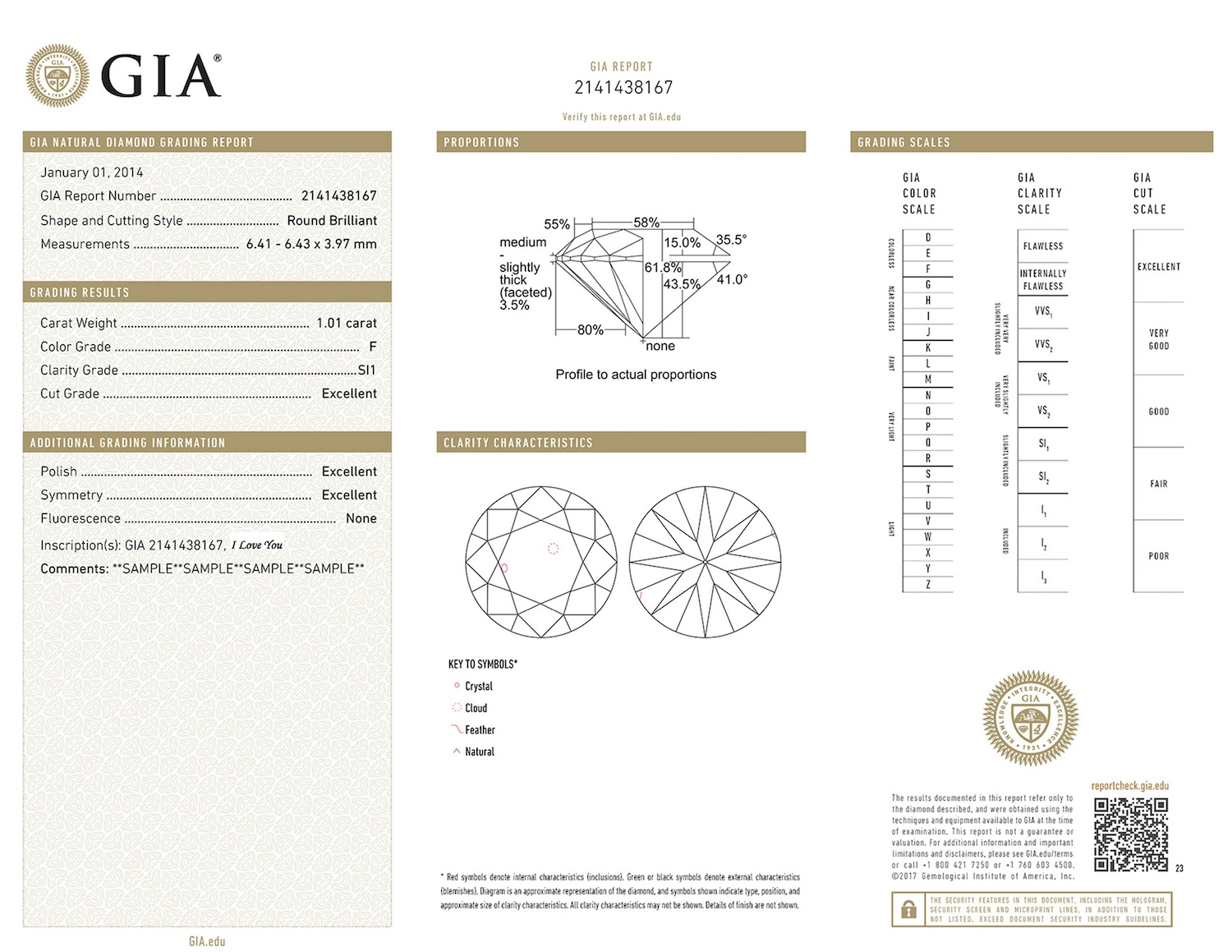
One of the first questions to ask is whether the diamond comes with an independent grading report. A grading report provides details about carat weight, color, clarity, cut, measurements, proportions, fluorescence, and identifying characteristics.
For natural diamonds, GIA and AGS have historically been among the most respected grading authorities. For lab-grown diamonds, IGI and GIA are commonly encountered. The key is that the report should come from a recognized independent laboratory, not simply an in-house appraisal or sales document.
Ask:
- Which laboratory graded the diamond?
- Can I see the full grading report?
- Is the report number laser-inscribed on the diamond?
- Does the report match the diamond being shown?
A grading report is not a guarantee of beauty, but it is an essential foundation for transparency.
2. What Is the Diamond’s Cut Quality?
Cut quality is the most important factor in a diamond’s visual beauty. A well-cut diamond will return light efficiently, creating brightness, fire, and scintillation. A poorly cut diamond may appear dull, glassy, dark, or smaller than expected, even if it has attractive color and clarity grades.
For round brilliant diamonds, ask whether the diamond has an Excellent, Ideal, or equivalent cut grade. However, do not stop there. The cut grade on a lab report is useful, but it does not always tell the full story. Two diamonds with the same cut grade can perform very differently.
Ask:
- What makes this diamond well cut?
- Can you explain its proportions?
- Does it have strong light return?
- Is there any light leakage?
- Do you provide ASET, Ideal Scope, or Hearts and Arrows images?
- How does this diamond compare visually to others in the same budget?
Whiteflash’s A CUT ABOVE® diamonds, for example, are selected for superior optical precision and light performance, making them especially relevant for buyers who want to prioritize sparkle and measurable beauty.
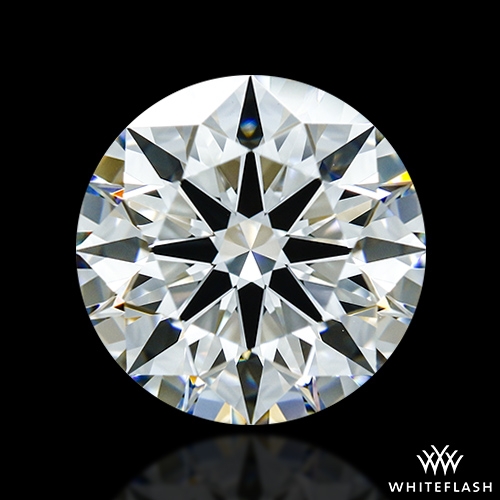
1.037 ct F VVS1 A CUT ABOVE® Hearts and Arrows Diamond from Whiteflash
3. Can I See Images, Videos, or Light Performance Data?
Online diamond buying has improved dramatically because many reputable jewelers now provide high-resolution images, magnified videos, and diagnostic performance images. These tools help you evaluate the diamond beyond the grading report.
Ask:
- Is there a magnified video of the diamond?
- Are there actual photos of the diamond, not just stock images?
- Are ASET or Ideal Scope images available?
- Is there a Hearts and Arrows image for round diamonds?
- Can a gemologist review the diamond with me?
Videos are helpful for assessing inclusions, shape appeal, and general appearance. Light performance images are especially useful for understanding how effectively the diamond returns light.
4. Is the Diamond Eye Clean?
Clarity grades describe inclusions and blemishes under magnification, but what matters most to many buyers is whether the diamond appears clean to the unaided eye. A diamond may have a lower clarity grade and still look perfectly clean when worn.
Ask:
- Is this diamond eye clean?
- From what viewing distance?
- Are inclusions visible from the top?
- Are any inclusions located near the center of the diamond?
- Could any inclusions affect durability?
- Can a gemologist confirm eye-clean status?
This is especially important for SI1 and SI2 clarity diamonds, where appearance can vary significantly. Some inclusions are minor and difficult to see, while others may be obvious or poorly placed.
5. How Does the Diamond’s Color Appear in Person?
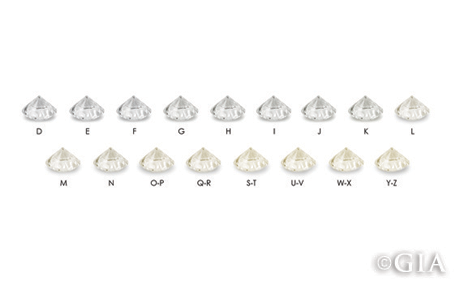
Color grades describe how much body color a diamond shows. In many well-cut diamonds, near-colorless grades such as G, H, I, and sometimes J can offer excellent value. However, color perception depends on diamond shape, cut quality, size, setting metal, and personal sensitivity.
 Ask:
Ask:
- How noticeable is the color in this diamond?
- Does it face up white?
- How does it look in white gold or platinum?
- Would yellow or rose gold make this color grade a better value?
- Is this diamond shape more likely to show warmth?
Round brilliant diamonds often hide color better than shapes with larger facets, such as emerald, Asscher, oval, radiant, and cushion cuts. The jeweler should explain these differences clearly.
Questions About Diamond Shape and Style
6. Which Diamond Shape Best Fits the Wearer’s Style?
Diamond shape affects the entire personality of the ring. Round brilliant diamonds are classic and highly brilliant. Oval, pear, and marquise diamonds can elongate the finger. Emerald and Asscher cuts have a refined, architectural look. Cushion and radiant cuts offer a softer or more modern appearance.
Ask:
- Which shapes suit the wearer’s style?
- Which shapes offer the most sparkle?
- Which shapes show color or inclusions more readily?
- Which shapes appear largest for their carat weight?
- Are there durability concerns with pointed shapes?
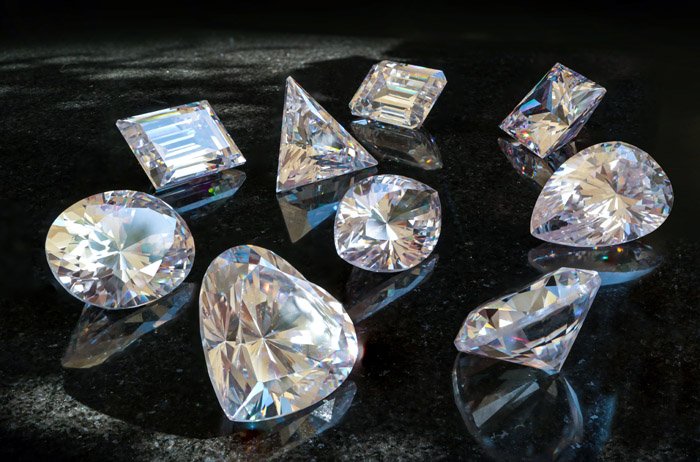
There is no single best shape for everyone. The best choice depends on personal taste, lifestyle, and the balance between brilliance, size appearance, and design.
7. Does This Diamond Have Shape-Specific Issues?
Fancy shape diamonds require closer visual evaluation because grading reports do not assign an overall cut grade to most fancy shapes in the same way they do for round diamonds.
Ask shape-specific questions such as:
- Does this oval, pear, or marquise diamond have a visible bow tie?
- Is this cushion diamond bright across the center?
- Are the corners of this princess cut protected by the setting?
- Is this emerald cut symmetrical and visually balanced?
- Does this radiant diamond have pleasing facet patterning?
- Does this pear shape have an attractive outline?
Fancy shapes should always be judged with images, videos, measurements, and expert review.
Questions About the Setting
8. Which Setting Is Best for the Wearer’s Lifestyle?
The setting does more than hold the diamond. It affects comfort, durability, maintenance, and everyday practicality. A delicate pavé setting may be beautiful, but it may not be ideal for someone who works heavily with their hands. A high-profile solitaire may show off the diamond beautifully, but it may catch more easily than a lower-profile design.
Ask:
- Is this setting suitable for daily wear?
- How high does the diamond sit?
- Will it snag on clothing?
- Is it appropriate for an active lifestyle?
- How often should the prongs be checked?
- Is the band thick enough for long-term durability?
The best setting should balance beauty with practical wearability.
9. What Metal Should I Choose?
The most common engagement ring metals are platinum, white gold, yellow gold, and rose gold. Each has different visual and practical qualities.
Ask:
- What are the advantages of platinum versus white gold?
- Will white gold need rhodium plating over time?
- Is yellow or rose gold better for a warmer diamond?
- Which metal is best for sensitive skin?
- Which metal offers the best durability for this design?
Platinum is dense, naturally white, and popular for engagement rings. White gold offers a bright white look but typically requires periodic rhodium maintenance. Yellow and rose gold can add warmth and contrast, and they may pair beautifully with diamonds in the near-colorless range.
10. How Secure Is the Setting?
Security is essential, especially for engagement rings worn daily. Prong design, metal quality, craftsmanship, and stone size all affect durability.
Ask:
- How many prongs will hold the center stone?
- Are the prongs substantial enough for daily wear?
- Would a bezel or partial bezel offer more protection?
- Are accent diamonds securely set?
- Are pointed corners protected?
- What maintenance is recommended?
For shapes such as princess, pear, marquise, and heart diamonds, protecting points and corners is especially important.
11. Will a Wedding Band Sit Flush With This Ring?
Many buyers focus on the engagement ring first and only later realize that some settings do not pair easily with a straight wedding band. Cathedral settings, low baskets, hidden halos, large accents, and unusual profiles can affect how the wedding band sits.
Ask:
- Will a straight wedding band sit flush?
- Will I need a curved or contoured wedding band?
- Are matching wedding bands available?
- Can I see this ring with different band styles?
- Will the setting rub against the wedding band over time?
Thinking ahead helps avoid disappointment when choosing the wedding band later.
Questions About Budget and Value
12. What Trade-Offs Give Me the Best Value?
A knowledgeable jeweler should help you understand how to balance cut, color, clarity, and carat weight. The goal is not necessarily to buy the highest grade in every category, but to choose the combination that delivers the best real-world beauty.
Ask:
- Where should I prioritize my budget?
- Can I lower clarity without affecting appearance?
- Can I choose a slightly lower color grade and still have a white-facing diamond?
- Would a better cut make this diamond look brighter than a larger one?
- Is there a “sweet spot” for this budget?
For many buyers, prioritizing cut quality first produces the most beautiful result.
13. Am I Paying for Beauty or Rarity?
Some diamond grades increase price because they are rarer, not because they are visibly more beautiful to the average viewer. For example, a D color internally flawless diamond is rare and valuable, but a well-cut G or H color VS2 diamond may look equally beautiful in normal viewing conditions.
Ask:
- Which grades affect visible beauty?
- Which grades mainly affect rarity?
- Would I see the difference without magnification?
- Is this upgrade worth the price difference?
A transparent jeweler should explain where your money is going.
Questions About Natural and Lab-Grown Diamonds
14. Should I Choose a Natural or Lab-Grown Diamond?
Natural and lab-grown diamonds can both be beautiful choices for an engagement ring. They share the same basic chemical composition and can be graded for the same quality factors. The main differences involve origin, rarity, price, market behavior, and personal preference.
Ask:
- Is this diamond natural or lab-grown?
- Which laboratory graded it?
- How does pricing compare at the same size and quality?
- Are there differences in resale or upgrade options?
- Is this diamond eligible for the jeweler’s upgrade program?
- Does the setting work equally well for natural and lab-grown diamonds?
Lab-grown diamonds often allow buyers to choose a larger or higher-color diamond for the budget. Natural diamonds are typically chosen by buyers who value geological origin, rarity, and traditional long-term market history.
Avoid vague claims. A good jeweler should discuss both options factually and help you choose based on your priorities.
Questions About Policies, Protection, and Aftercare
15. What Is the Return Period?
Before purchasing, confirm the return terms in writing. Even if you are confident in the ring, a clear return period provides peace of mind.
Ask:
- How many days do I have to return the ring?
- Does the return period begin when the ring ships or when it is delivered?
- Are custom rings returnable?
- Are resized rings returnable?
- Are there restocking fees?
- Is return shipping included or insured?
Policies can vary significantly between jewelers, especially for custom designs, engraved rings, special orders, and lab-grown diamonds.
16. Is Resizing Included?
Ring size can be difficult to get exactly right before a proposal. Many jewelers offer resizing, but the terms vary.
Ask:
- Is resizing included after purchase?
- How many resizes are allowed?
- Is there a time limit?
- Are there settings that cannot be resized easily?
- Will resizing affect the warranty?
- How long does resizing usually take?
Eternity bands, intricate pavé settings, and certain designer rings may have sizing limitations. This should be discussed before purchase.
17. What Warranty or Service Plan Is Included?
An engagement ring needs periodic maintenance. Prongs can wear, pavé stones may loosen, and rings should be professionally inspected.
Ask:
- What warranty is included?
- What does the warranty cover?
- What is excluded?
- Are inspections required to maintain coverage?
- Are repairs done in-house?
- Are accent diamonds covered if they become loose?
- Is routine cleaning included?
A warranty is only useful if you understand its limits.
18. Is the Ring Insured During Shipping?
For online purchases, secure shipping is critical. Reputable jewelers should use insured shipping and require a signature upon delivery.
Ask:
- Is the ring fully insured during shipping?
- Is a signature required?
- Can the package be held for pickup?
- Is the packaging discreet?
- What happens if the package is delayed or lost?
This is especially important when planning a proposal around a specific date.
19. Do You Offer an Upgrade Program?
An upgrade program can add long-term flexibility. Some buyers later decide to increase diamond size, improve color or clarity, or upgrade to a higher cut quality.
Ask:
- Do you offer an upgrade program?
- Which diamonds are eligible?
- Are lab-grown diamonds eligible?
- Is there a minimum spend requirement for the upgrade?
- Do I receive credit for the original purchase price?
- Are settings included, or only diamonds?
- What documentation do I need to keep?
Whiteflash’s upgrade program is especially valuable for buyers considering A CUT ABOVE® diamonds, as it creates a clear path for future diamond upgrades.
Questions About the Jeweler’s Expertise
20. Who Is Helping Me Evaluate the Diamond?
The person assisting you should understand diamonds beyond basic sales language. Ideally, they should be able to explain grading reports, proportions, light performance, setting construction, and practical trade-offs.
Ask:
- Are gemologists available to review the diamond?
- Can someone compare multiple diamonds for me?
- Can you explain the differences between these options?
- Do you provide written recommendations?
- Are you showing me the best option for my budget or simply the most expensive?
A professional jeweler should welcome informed questions.
21. Can You Compare This Diamond Against Alternatives?
One of the best ways to evaluate a diamond is to compare it with others. This helps you see whether a higher price is justified or whether a different combination of grades offers better value.
Ask:
- Can you compare this diamond with two or three alternatives?
- Which one has the best cut?
- Which one appears largest?
- Which one is the best value?
- Which one would you choose and why?
This is where a consultative jeweler can make a major difference.
22. What Makes This Ring Worth Recommending?
A good final question is simple: “Why this ring?”
Ask the jeweler to explain why the diamond and setting are a good match for your priorities. Their answer should be specific. They should mention cut quality, visual appearance, durability, setting compatibility, budget, and the wearer’s style.
Avoid vague answers such as “It’s a great deal” or “This is very popular.” You want a recommendation based on evidence and expertise.
Red Flags When Talking to a Jeweler
Not every jeweler offers the same level of transparency. Be cautious if you encounter any of the following:
- The jeweler discourages independent certification.
- The diamond has no grading report from a recognized laboratory.
- The seller relies only on carat weight and ignores cut quality.
- You are told that all Excellent cut diamonds look the same.
- There are no real images or videos available.
- Return terms are unclear.
- The jeweler pressures you to buy immediately.
- The salesperson cannot explain inclusions, proportions, or setting durability.
- The price seems unusually low without a clear reason.
- The ring is described with vague marketing terms instead of documented quality.
A reputable jeweler should provide clarity, not pressure.
Expert Gemological Explanation
An engagement ring should be evaluated as both a diamond purchase and a jewelry purchase. The diamond must be assessed for beauty, rarity, and documentation, while the setting must be assessed for security, durability, craftsmanship, and wearability.
The most misunderstood factor is cut quality. Many buyers assume that carat weight determines beauty, but cut controls how light behaves inside the diamond. A diamond with superior cut precision can look brighter, livelier, and more visually impressive than a larger diamond with weaker proportions.
In round brilliant diamonds, optical precision can be evaluated through a combination of grading reports, proportions, magnified imaging, ASET images, Ideal Scope images, and Hearts and Arrows patterning. These tools reveal information that a basic certificate may not fully communicate.
For fancy shapes, expert review becomes even more important because there is no universal cut grade equivalent to round brilliant grading. A jeweler should evaluate outline, symmetry, brightness, bow tie effect, facet pattern, spread, and overall visual appeal.
The setting also plays a technical role. Prong placement, metal choice, band width, accent stone setting, and ring profile all affect long-term performance. A beautiful ring that is too delicate for the wearer’s lifestyle may require more maintenance or may not be ideal for daily wear.
The best jewelers combine gemological expertise with practical jewelry knowledge. They do not simply sell a diamond grade; they help you choose a ring that will look beautiful, wear securely, and retain meaning over time.
Buyer Guidance: How to Use These Questions Effectively
Start With Your Priorities
Before speaking with a jeweler, decide what matters most. Common priorities include:
- Maximum sparkle
- Larger visual size
- Best value
- Natural diamond origin
- Lab-grown diamond affordability
- Classic design
- Low-maintenance durability
- Future upgrade potential
Knowing your priorities helps the jeweler recommend the right balance of diamond quality and setting style.
Ask for Comparisons, Not Just Recommendations
Instead of asking, “Is this a good diamond?” ask, “How does this diamond compare with these other options?” Comparison reveals trade-offs more clearly.
For example, a jeweler might show you that a slightly smaller diamond with superior cut quality looks brighter than a larger diamond with weaker light return. Or they may explain that a lower clarity grade is still eye clean and allows more budget for cut or size.
Keep Cut Quality at the Top of the List
For most buyers, cut quality should be the first priority after confirming the diamond is properly graded. A well-cut diamond will deliver the sparkle and visual life that people associate with a beautiful engagement ring.
Whiteflash is especially strong in this area because of its emphasis on super ideal cut diamonds and advanced light performance analysis.
Consider the Whole Ring, Not Just the Center Diamond
The setting should suit the diamond and the wearer. A delicate pavé setting may be perfect for one person and impractical for another. A solitaire may be timeless and durable, while a halo may create more visual size and sparkle.
Ask the jeweler to explain why the setting is appropriate for the diamond shape, size, and lifestyle.
Confirm Policies Before Paying
Before finalizing the purchase, confirm:
- Return period
- Resizing terms
- Warranty coverage
- Shipping insurance
- Maintenance requirements
- Upgrade program eligibility
- Documentation included
- Appraisal availability
These details matter after the excitement of the purchase.
Final Recommendation
The best questions to ask a jeweler before buying an engagement ring are the ones that reveal quality, transparency, and long-term value. Ask about certification, cut quality, light performance, eye-clean clarity, color appearance, setting durability, return terms, resizing, warranties, and upgrade options.
A trustworthy jeweler should answer these questions clearly and provide evidence to support their recommendations. If a jeweler cannot explain why a diamond is beautiful, why a setting is suitable, or what protections come with the purchase, continue looking.
For buyers who want exceptional cut quality, advanced imaging, expert guidance, and a strong upgrade program, Whiteflash offers a highly transparent and performance-focused way to choose an engagement ring. Explore Whiteflash engagement rings and diamonds to compare expertly selected options and find a ring chosen with confidence.